


Blog

Lincoln Navigator vs. Cadillac Escalade: Compare Luxury SUVs

Lincoln Navigator vs Honda Ridgeline

The Definitive SUV Showdown

When it comes to choosing between the Lincoln Navigator vs. the Cadillac Escalade, two of the most prominent full-size luxury SUVs, the decision is anything but straightforward. These vehicles represent the epitome of sophistication, blending advanced technology, exceptional comfort, and powerful performance to cater to discerning buyers. But which one truly stands out in the luxury SUV world?

In this ultimate comparison, we’ll delve into every detail, from design philosophy and interior themes to engine performance and practical features. Head over to Boulevard Lincoln in Millsboro, DE, to experience the standout SUV of this comparison for yourself and drive home in a vehicle built to go the distance.

Design Philosophy and Road Presence

The Lincoln Navigator blends bold confidence with refined sophistication, creating a look that feels both powerful and polished. Its signature grille and crisp LED lighting establish a strong, modern presence, while sculpted body lines add a sense of movement and aerodynamic efficiency. Every element is thoughtfully designed, resulting in a luxury SUV that feels contemporary without being overdone: elevated, elegant, and distinctly premium whether parked curbside or cruising the highway.

The Cadillac Escalade takes a more traditional approach, emphasizing sharp angles, defined edges, and a commanding silhouette that reflects its long-standing heritage. Its design highlights size and strength, reinforcing its reputation as a classic full-size luxury SUV. While undeniably iconic, it leans more toward established styling cues than modern fluidity. For drivers seeking a fresh, forward-thinking expression of luxury, the Lincoln Navigator stands out with clarity and confidence.

Lincoln Navigator vs. Cadillac Escalade Interior

Lincoln Navigator vs. Cadillac Escalade Interior

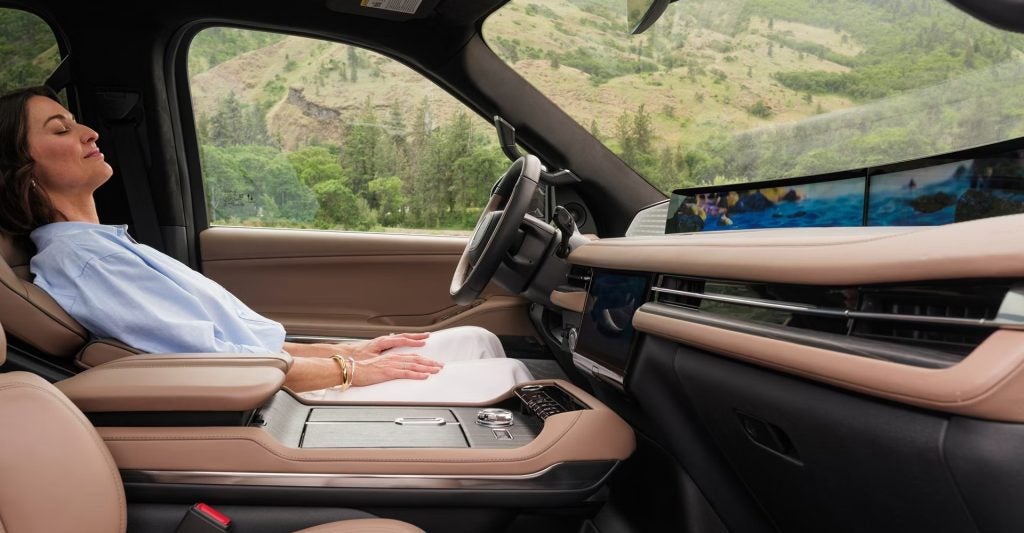
Step inside the Lincoln Navigator, and you’re immediately surrounded by premium leather seating, refined materials, and advanced technology designed to enhance every mile. The cabin is exceptionally spacious, with thoughtfully designed second- and third-row seating that ensures comfort isn’t reserved solely for front passengers. Every row in the Lincoln Navigator offers generous legroom and supportive seating, creating a true first-class atmosphere throughout the vehicle. What truly sets the Lincoln Navigator apart is the exclusive Lincoln Navigator Black Label trim. With curated interior themes, elevated materials, and meticulous detailing, the Lincoln Navigator Black Label delivers a level of personalization and craftsmanship that few competitors can match. It transforms the cabin from simply luxurious to distinctly bespoke. The Cadillac Escalade also delivers an impressive interior experience with its own suite of standout features. Inside, drivers will find premium leather seating, real wood accents, and a striking curved OLED display that spans over 38 inches across the dashboard, creating one of the most visually dramatic interiors in the luxury SUV segment. The Cadillac Escalade also offers available AKG Studio Reference audio with up to 36 speakers, a rear-seat entertainment system with dual screens, and Super Cruise™ hands-free driver-assistance technology, highlighting Cadillac’s focus on cutting-edge digital innovation. While both SUVs deliver exceptional comfort and premium materials, the Cadillac Escalade leans into bold technology and dramatic design, whereas the Lincoln Navigator emphasizes refined craftsmanship, personalization, and a calm, first-class luxury environment for every passenger.

Lincoln Navigator vs. Cadillac Escalade Specs: Engine Performance and Driving Experience

Every Lincoln Navigator is equipped with a standard 3.5L EcoBoost® twin-turbocharged V6 engine that delivers an impressive 432 horsepower and 510 lb.-ft. of torque. Paired with a smooth-shifting 10-speed automatic transmission, the Navigator provides confident acceleration and seamless gear changes that feel polished in virtually any driving situation. Unlike larger-displacement engines that focus purely on raw output, the Navigator strikes a thoughtful balance between commanding performance and strong fuel efficiency. For a full-size luxury SUV, that efficiency advantage can make a meaningful difference in everyday commuting and long-distance travel.

An Adaptive Suspension System and selectable drive modes further elevate the experience, allowing the Navigator to adapt effortlessly to city streets, highways, or light off-road terrain. The result is a ride that feels composed, quiet, and controlled, all of which are hallmarks of Lincoln’s refined luxury approach.

The Cadillac Escalade, by comparison, traditionally relies on a 6.2L V8 engine producing around 420 horsepower and 460 lb.-ft. of torque. While the Cadillac Escalade’s V8 delivers strong, traditional SUV performance and a distinctive engine character, its larger displacement typically results in lower fuel efficiency than the Navigator’s twin-turbocharged setup. Cadillac also offers an available 3.0L Duramax® turbo-diesel option that improves efficiency, though it trades some acceleration performance for economy. In terms of driving feel, the Cadillac Escalade emphasizes bold power delivery and commanding road presence, while the Lincoln Navigator focuses on smooth responsiveness, quiet operation, and intelligent efficiency. For drivers who prioritize refined performance, balanced capability, and everyday drivability, the Lincoln Navigator offers a powertrain and driving experience that feels both modern and effortlessly luxurious.
Lincoln Navigator vs Honda Ridgeline

Capability Without Compromise

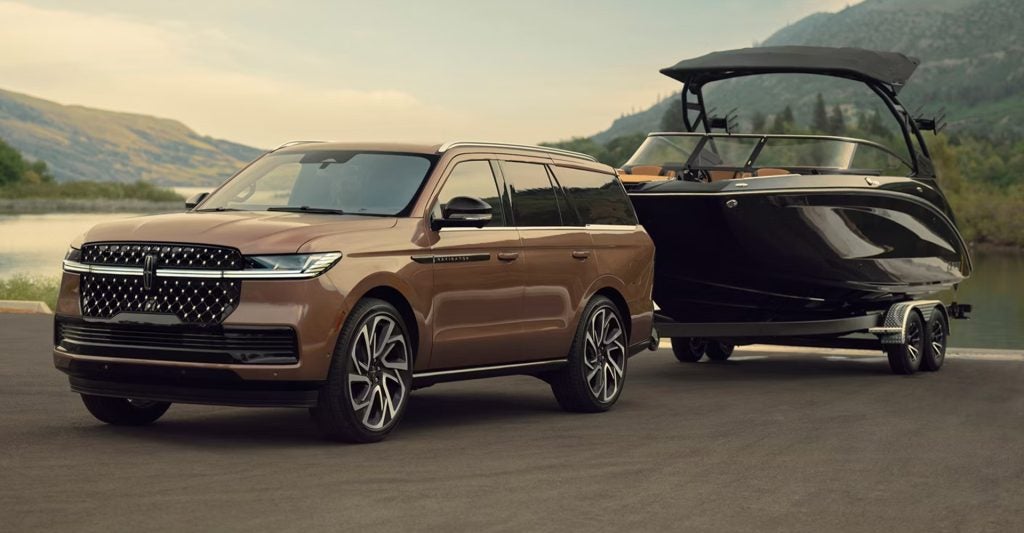
When properly equipped, the Lincoln Navigator can tow up to 8,700 lbs., providing confident capability for boats, trailers, and more. The Cadillac Escalade delivers traditional V8 power and tows up to 8,100 lbs., but its larger engine comes with higher fuel consumption. While the Cadillac Escalade leans into classic muscle, the Lincoln Navigator offers refined twin-turbo performance, smoother shifting, stronger towing capability, and greater overall efficiency, making it the more balanced and capable luxury SUV.

Lincoln Navigator vs. Cadillac Escalade Dimensions

While the Cadillac Escalade offers an upscale cabin and generous space, the Lincoln Navigator delivers a more refined and thoughtfully designed experience. The Cadillac Escalade provides strong comfort in the first and second rows, but the Lincoln Navigator offers more third-row legroom, making it more comfortable for adult passengers on longer drives. The Lincoln Navigator Black Label models further elevate the interior with curated themes and premium materials that the Cadillac Escalade does not match. In terms of cargo space, the Cadillac Escalade offers up to 120.5 cu.ft. maximum, with 72.9 cu.ft. behind the second row and 25.5 cu.ft. behind the third. The standard-wheelbase Lincoln Navigator delivers 60.8 cu.ft. behind the second row and 21.6 cu.ft. behind the third, along with 107 cu.ft. total, balancing generous utility with refined proportions and easier maneuverability. For even greater flexibility, the Lincoln Navigator L offers 75.4 cu.ft. behind the second row and 36.1 cu.ft. behind the third row, surpassing the Cadillac Escalade in usable cargo space where families need it most. With superior third-row comfort, exclusive customization, and the added versatility of the Lincoln Navigator L, the Lincoln Navigator lineup delivers a more complete and accommodating luxury SUV experience.
Lincoln Navigator Interior

Technology, Features, and Ownership Costs

Advanced Technology That Feels Effortless

The Lincoln Navigator is engineered to make sophistication feel simple. Its SYNC® 4 system features a sleek, responsive touchscreen with seamless Apple CarPlay® and Android Auto™ integration, enhanced by natural voice recognition that makes interaction intuitive and distraction-free. The available Revel® 3D Audio System with 28 speakers creates an immersive, concert-like experience tailored to the cabin’s acoustics, providing premium sound without overwhelming complexity. Confidence comes standard with Lincoln Co-Pilot360™, which includes Adaptive Cruise Control with Stop-and-Go, Blind Spot Monitoring, Lane-Keeping Assist, a 360-degree camera, and Turn Signal View that displays a live side-view feed when signaling. For even greater ease on long drives, the available Lincoln BlueCruise enables hands-free driving on compatible highways, delivering a calm, composed, and controlled ride.

The Cadillac Escalade counters with an expansive 55-in. curved pillar-to-pillar display and an available 38-speaker AKG Studio Reference audio system. Features like Super Cruise®, massaging seats, ambient lighting, and rear-seat entertainment certainly elevate the cabin experience. However, while the Cadillac Escalade impresses with scale and spectacle, the Lincoln Navigator excels in thoughtful integration. Its technology feels purpose-built around the driver, prioritizing usability, clarity, and comfort over sheer size or flash.

Long-Term Value and Ownership Experience

Beyond features, ownership costs and long-term value are important considerations when choosing a full-size luxury SUV. While the Cadillac Escalade has long been recognized for its bold design, powerful performance, and strong resale appeal, the Lincoln Navigator approaches long-term ownership from a slightly different angle. The Lincoln Navigator’s balanced blend of advanced safety systems, refined engineering, and driver-assist technology contributes to long-term confidence and efficiency. Lincoln’s focus on comfort, intuitive systems, and preventative safety features helps reduce stress behind the wheel, an often-overlooked factor in overall ownership satisfaction. Both SUVs deliver premium amenities and a commanding presence on the road. However, while the Cadillac Escalade emphasizes striking styling and performance heritage, the Lincoln Navigator distinguishes itself with advanced technology that feels refined, accessible, and genuinely beneficial day after day. For drivers seeking cutting-edge luxury without compromise, the Lincoln Navigator offers a smart, rewarding ownership experience.

Why the Lincoln Navigator Is the Clear Winner

The Lincoln Navigator emerges as the superior choice, excelling in cargo space, passenger comfort, and fuel efficiency. Its cutting-edge technology and refined design philosophy redefine the standards of full-size luxury SUVs, making it the ultimate choice for discerning buyers. With impressive power, advanced safety features, and unparalleled utility, the Lincoln Navigator offers everything you’d want in a luxury SUV. For those seeking the perfect blend of style, practicality, and innovation, the Lincoln Navigator stands out as the clear winner. Experience its excellence at Boulevard Lincoln today.

SHOP NOW


Recommended Posts

Buying From A Dealership vs. Private Seller

Buying From A Dealership vs. Private Seller: The Differences

Confidence in Your Car Purchase Buying your next vehicle should feel exciting, not uncertain. At Boulevard Lincoln, we believe the process should be straightforward, transparent, and supported by professionals who help you make a confident decision. When comparing buying from a dealership vs. a private seller, the conversation goes far beyond the sticker price. It’s about the value of expert guidance, verified vehicle disclosure, financing options, and help with paperwork that can otherwise become overwhelming. One of the biggest advantages of working with a dealership is time savings. Instead of coordinating inspections, researching vehicle history, arranging financing, and handling registration on your own, our dealership offers a one-stop shop to simplify the process. Our team can assist with loan pre-approval, provide clear vehicle disclosure and history information, and walk you through every step from test drive to title transfer. While private sellers may advertise a lower asking price, those purchases often require buyers to manage inspections, paperwork, and financing independently—with little recourse if issues arise later. Buying from our dealership means partnering with a business built on reputation, transparency, and ongoing customer support. From carefully selected inventory to assistance with financing and documentation, our goal is to make purchasing your next vehicle simpler, safer, and far more convenient, so you can focus on enjoying the drive rather than navigating the details. Weigh the pros and cons of buying from a dealer vs. a private seller, and head to Boulevard Lincoln to browse our inventory today. Who This Guide Is For This guide is for buyers who want a simpler process and more peace of mind. It is also for budget-focused shoppers who are willing to handle a vehicle inspection, title transfer, negotiation, and DMV steps on their own. Dealership vs. Private Seller at a Glance Buying from our dealership offers a clearer, more supported process with a larger selection of vehicles in one place. While private sellers may advertise lower sticker prices, the lowest price does not always mean the lowest total ownership cost once repairs, taxes, registration, and financing are considered. At our dealership, you benefit from available financing options, professionally prepared vehicles, access to vehicle history reports, and assistance with paperwork, including title transfers and registrations. Many vehicles may also include limited warranty coverage or Lincoln Certified Pre-Owned benefits for added peace of mind. Private sales typically involve lower upfront prices but are often sold as-is, require buyers to handle paperwork themselves, and rarely offer financing, trade-ins, or post-sale support. For many shoppers, the convenience, transparency, and protection of buying from our dealership make it a more reliable choice. Price, Fees, and Total Cost Private sellers often start lower because they do not carry dealership overhead, staffing, compliance costs, or a reconditioning center. That lower purchase price can be attractive, especially if you are paying cash and understand local market value. Dealership pricing can include dealer fees, a documentation fee, optional products, and financing markup tied to the interest rate. Still, some dealer vehicles have undergone reconditioning, basic service, or inspections, which may reduce the risk of mechanical problems after the sale. Why Dealer Prices Are Usually Higher A car dealer has operating costs that a private owner does not. Those costs can include staffing, lot expenses, regulatory compliance, advertising, title processing, and warranty-related obligations. Certified Pre-Owned vehicles usually cost more because they include stricter inspections and some level of warranty coverage. That premium can be worth it for buyers who want stronger reliability and fewer unknowns. Why Private Sellers Can Be Cheaper A private seller is usually focused on a quick sale rather than margin targets. That often creates room for negotiation, especially if the seller has already bought another vehicle. A low price can also be a warning sign. Hidden mechanical issues, accident history, deferred maintenance, or title problems can erase your savings fast. Risk, Inspections, and Vehicle Condition At our dealership, we inspect and recondition vehicles before offering them for sale, but standards vary by store and by vehicle. You should still ask what was checked, what was repaired, and whether service records or a vehicle history report are available. Private sales often place more buyer risk on you because many are sold as-is. In either case, a pre-purchase inspection by an independent mechanic is one of the smartest steps you can take before money changes hands. What Buyers Usually Get From a Dealership When you purchase a vehicle from our dealership, you gain access to important information that helps you buy with confidence. Our team works to provide available service records, maintenance history, and details about any reconditioning or preparation completed before the vehicle reaches our lot. As a licensed dealership with an established reputation, we are committed to transparency and accountability throughout the buying process. Our business identity and professional standards help ensure that disclosures are clear and accurate, giving you greater peace of mind as you make your decision. What Buyers Must Verify in a Private Sale With an individual seller, you need to confirm that the VIN on the car matches the one on the title and other documents. You should also verify clean title status, ask about any lien release, review maintenance history, and check local emissions or inspection requirements. Never skip a test drive or a pre-purchase inspection. An independent mechanic can spot hidden mechanical issues that a casual buyer may miss. Financing, Trade-Ins, and Payment Flexibility Our dealership offers financing, lender access, and trade-in options that private sellers do not. For many buyers, the ability to spread the cost into a monthly payment is the main reason a dealer price makes sense. Private sellers often prefer a cashier’s check or cash. That can work well if you already have funds available, but it limits flexibility for shoppers who need financing or want to roll a current vehicle into the deal. When Dealer Financing Helps Our dealer financing helps buyers compare loan options in one place and match terms to their budget. It can also simplify the process by combining purchase, financing, trade-in, and registration into a single transaction. This convenience matters if you are balancing down payment size, financing costs, and interest rate. It can also save time if you need transportation quickly. Speak with our finance experts today! When Cash Buying Works Better Paying cash can give buyers flexibility and a clear spending limit, but that does not mean a private sale is the best route. Many cash buyers actually prefer working with a dealership because the process is more transparent, secure, and professionally managed. At our dealership, you can still negotiate while benefiting from a clearly documented vehicle history, verified titles, and vehicles that have already been inspected. This helps eliminate much of the uncertainty that often comes with private party purchases. In addition, our team handles the paperwork, registration guidance, and transaction details, which saves time and reduces risk. If you plan to pay cash, it is still important to set a firm budget that includes sales tax, registration, insurance, and any potential maintenance. The advantage of buying from our dealership is that you can review those costs upfront with a knowledgeable team while choosing from a range of quality vehicles in one convenient location. For cash buyers who want a straightforward purchase with fewer surprises, our dealership offers the confidence and convenience that private sales often lack. Paperwork, Registration, and Legal Protection Our team handles the title transfer, temporary tags, registration paperwork, and required sales documents. That reduces errors and makes the transaction easier for buyers who are unfamiliar with DMV rules. Private sales require the buyer to verify every document and complete state-specific steps correctly. Mistakes with paperwork can delay registration, create tax issues, or leave you with a car you cannot legally drive. Dealer Process and Accountability Our licensed dealer operates in accordance with state regulations and disclosure requirements. This creates better consumer protection, stronger accountability, and a clearer path for legal recourse if something goes wrong. This is one reason many buyers prefer a dealership. The process is more structured, and there is usually someone available to answer follow-up questions. Warranties, Returns, and Peace of Mind Our dealership offers additional protection, including warranties and optional service contracts. Private sellers rarely provide any post-sale protection, and most deals are final once payment is made. That does not mean every dealer car is protected. Some are sold as-is, too, so you need to read every disclosure and understand exactly what is and is not covered. What Warranty Coverage Really Means Manufacturer warranty coverage usually follows the vehicle if time or mileage remains. Certified Pre-Owned coverage differs from a dealer warranty, and an extended service contract differs from both. Review the term length, covered components, deductibles, and exclusions before signing. A short limited warranty can still be useful, but only if you know its limits. When a Dealership Is the Better Choice Buying from a dealership is often the smarter option for drivers who want a smoother, more supported experience from start to finish. Our dealership makes the process easier by keeping everything in one place, including financing options, a wide range of inventory to compare, and the ability to apply your trade-in toward your purchase. It’s also an ideal choice for shoppers who value peace of mind. With built-in buyer protections, professional guidance throughout the process, and support even after you drive off the lot, purchasing through our dealership provides confidence and convenience that private sales simply can’t match. For buyers who want a streamlined process, trusted service, and a team ready to help every step of the way, choosing our dealership is the clear advantage. Best-Fit Buyer Profiles A dealership often makes sense for: First-time used-car buyers Families focused on reliability Buyers who need a monthly payment Shoppers interested in Certified Pre-Owned vehicles People who want help with paperwork, title transfer, and registration When a Private Seller Is the Better Choice A private seller can be the better choice if your top priority is price and you are comfortable doing your own due diligence. This route works best when the seller has solid service records, the vehicle passes inspection, and the title is clean. It can also be a good fit for cash buyers who know the market value and can act quickly. The savings can be real, but only if you avoid hidden damage, title issues, and poorly documented maintenance. That said, many buyers ultimately find that purchasing from our dealership is the better option when they want more certainty and support throughout the process. With professionally inspected vehicles, transparent paperwork, available financing, and the ability to trade in your current vehicle, buying from our dealership removes much of the risk and guesswork that can come with private sales—while still helping you find a great value! Best-Fit Buyer Profiles A private sale often fits: Mechanically savvy shoppers Bargain hunters Buyers are comfortable with as-is sale terms People who can verify title status and paperwork themselves Buyers who can absorb some post-purchase risk If you go this route, be disciplined. Meet in a safe place, verify the VIN, review the vehicle history, and never skip the inspection. Final Verdict: Which Option Makes More Sense For most buyers, a dealership wins on convenience, access to financing, legal structure, and peace of mind. A private seller can still be the smarter move on upfront price, but only when your inspection, title, and vehicle history checks are solid. The right choice comes down to risk tolerance, total ownership cost, and the level of support you want before and after the sale. If you want a smoother process with greater accountability, buying from our dealership is the better option, while a private seller makes more sense for experienced buyers who can manage the extra risk. Decision Framework If you’re looking for a smoother experience with fewer risks, a dealership is the better path. Buying through our dealership means less hassle, stronger buyer protections, available financing options, and a team that handles the paperwork and details for you. A private seller may make sense if the lower upfront price is your main priority—but only when the vehicle has a clean title, verified service history, and passes a thorough independent inspection. For most shoppers, the added confidence, support, and convenience of working with a trusted dealership make all the difference. Explore our inventory at Boulevard Lincoln or connect with our team today to find the right vehicle with the peace of mind you deserve. FAQs Is it better to buy from a dealership or a private seller? It depends on your priorities. Dealerships are usually better for financing, paperwork, selection, and buyer protections, while private sellers may offer a lower upfront price. What is the 20/3/8 rule for buying a car? The 20/3/8 rule suggests putting 20% down, financing for no more than 3 years, and keeping total car costs under 8% of gross monthly income. It is a budgeting guide, not a legal rule. What is the disadvantage of buying from a private seller? The biggest drawback is risk. A private sale is often an as-is sale with no warranty, limited legal recourse, and more responsibility for inspection and paperwork. What is a red flag in a dealership? Watch for unclear dealer fees, pressure to skip a vehicle inspection, vague vehicle history, rushed paperwork, or financing terms that are not fully explained. A reputable used car dealer should answer questions clearly and in writing. At Boulevard Lincoln, our main priority is transparency, so feel free to reach out to our team if you have any questions regarding your next vehicle purchase! GET STARTED

America 250

American-Made Vehicles at Boulevard Lincoln

Celebrating America's Legacy on Four Wheels Few things capture the American spirit quite like hitting the open road. The freedom to explore new destinations, visit loved ones, and create unforgettable memories has always been woven into the American story. And for generations, American-made vehicles have helped make those journeys possible. As America celebrates its 250th anniversary, communities across the country are coming together to honor the people, places, and innovations that have shaped our nation. From hometown parades and family road trips to major celebrations across the nation, this milestone is a reminder of the pioneering spirit that continues to define America. At Boulevard Lincoln, we're proud to represent an iconic automotive brand built on American ingenuity, craftsmanship, and innovation. Whether you're looking for a hardworking truck, a capable SUV, a family-friendly vehicle, or a luxury driving experience, you'll find American-made excellence throughout the Lincoln lineup. Built on American Innovation Combining refined luxury with modern technology, Lincoln delivers premium comfort and sophisticated design for drivers seeking an elevated experience. With America marking 250 years of history, many families are planning getaways to national landmarks, historic destinations, and community celebrations. Whether you're heading to a nearby festival, exploring scenic backroads, or embarking on a cross-country adventure, the right vehicle can make all the difference. From powerful SUVs to luxurious family haulers, Boulevard Lincoln is proud to offer a wide selection of vehicles designed to help you make the most of every mile. Proud to Serve Our Communities At Boulevard Lincoln, we're honored to serve drivers throughout our communities while representing a brand that has helped shape the American automotive industry. As we celebrate this historic anniversary, we invite you to visit our dealership, explore our lineup of American-made Lincoln vehicles, and discover the perfect companion for your next adventure. Here's to 250 years of innovation, exploration, and the freedom of the open road, and to the journeys still ahead. SHOP NOW

What Is A Good Credit Score To Buy A Car?

The Credit Score That Unlocks Better Auto Loan Deals When planning a car purchase, whether it's a new vehicle or a used car, understanding what constitutes a good credit score for an auto loan is crucial. Your credit score plays a role in determining your loan terms, including your interest rate and monthly payment amount. A prime credit score can mean access to lower interest rates, favorable terms, and significant savings over the life of the loan. Auto lenders evaluate your credit profile to assess the risk of lending. Various factors, such as payment history, credit history length, and credit utilization ratio, are analyzed using credit scoring models, such as the FICO Auto Score. Whether you're considering a used-car loan or financing a new car, knowing how your credit score impacts car financing can make the buying process smoother and more affordable. Fill out a finance application online or visit our finance team at Boulevard Lincoln to learn more about how your score will impact your auto loan. How Credit Scores Influence Auto Loans What Credit Scores Mean for Borrowers Your credit score plays a very important role in the auto loan approval process and the terms you may qualify for. Lenders use it to evaluate credit risk and determine interest rates, loan amounts, and repayment conditions. In general, a higher credit score signals lower lending risk, which can result in more competitive interest rates and better overall terms. A low score usually leads to higher rates, stricter conditions, or a declined application. For instance, FICO® Score is a widely used credit scoring model. FICO® scores on average range from 300 to 850, with higher numbers reflecting stronger credit profiles. Auto lenders often favor applicants with higher scores because they are statistically more likely to make consistent, on-time payments. A stronger credit profile can reduce the interest rate offered, lowering monthly payments and decreasing the total cost of the loan over its term. The Role of Credit Bureaus and Scoring Models Your credit score is created using information from the three major credit bureaus, such as Equifax, Experian, and TransUnion. These companies keep track of how you manage credit, including whether you pay on time, how much you owe, the types of accounts you have, and how long you’ve had credit. When you apply for a car loan, lenders often use a specialized scoring model like the FICO® Auto Score. This version of your credit score is designed specifically for vehicle financing. Several key factors affect your score: Payment history: Paying on time helps your score. Late payments can hurt it. Credit utilization: This is how much of your available credit you’re using. Keeping it below 30% is generally recommended. Credit mix: It’s recommended to have a variety of accounts (credit cards and installment loans). Recent credit inquiries: Applying for too many accounts in a short period can lower your score. By making payments on time, keeping balances manageable, and applying for credit only when needed, you can craft a stronger credit profile and improve your chances of qualifying for auto financing. What Is the Ideal Credit Score for a Car Purchase? Understanding Average Credit Scores for Auto Financing The credit score you’ll need to finance a vehicle can vary depending on whether you’re purchasing new or used. In general, the average credit score for a new-car loan is around 715, while used-car loans may be approved at slightly lower scores.* Borrowers with a higher credit score usually qualify for more competitive terms, such as lower interest rates and more manageable monthly payments. Those with deep subprime scores, usually below 580, may have more difficulty securing approval. When financing is available at that level, it often results in higher interest rates and less favorable terms, thereby increasing the total cost of the loan. Applicants in the prime or super-prime ranges (generally above 660) are more likely to receive lower interest rates, which can make vehicle financing more affordable over time. How Your Credit Score Affects Your Loan Terms In general, a higher credit score improves your chances of securing lower interest rates and more favorable loan terms. With a strong credit score, you may benefit from: Lower interest rates More manageable monthly payments Potentially smaller down payment requirements Lenders see higher credit scores as a sign of lower risk, which makes them more comfortable offering competitive terms. If your score is lower, you may face: Higher interest rates Larger down payment requirements Shorter loan terms Other factors also matter. Your credit history length, the types of accounts you have (credit cards, loans, etc.), and how often you’ve recently applied for credit can all influence the loan terms you’re offered. A well-rounded credit profile, with consistent on-time payments and a solid history, can improve your chances of receiving better rates and conditions. How to Improve Your Credit Score for Auto Financing Steps to Strengthen Your Credit Profile If you’re planning to finance a vehicle, taking a little time to improve your credit first can make a big difference. A solid credit profile can help you qualify for better rates and potentially lower your total loan cost. Here are some simple ways to improve your score: 1. Pay every bill on time Payment history is one of the biggest factors in your credit score. Even one late payment can hurt, while consistent on-time payments can steadily improve your score. 2. Lower your credit card balances Try to keep your credit utilization—how much of your available credit you’re using—below 30%. Paying down balances shows lenders you manage credit responsibly. 3. Check your credit report regularly Review your report for errors or outdated information. If you spot something incorrect, dispute it promptly to prevent unnecessary damage to your score. 4. Limit new credit applications Each time you apply for credit, a hard inquiry may slightly lower your score. Apply only when necessary and focus on options that fit your credit situation. By following these steps, you can strengthen your credit profile and improve your chances of qualifying for more favorable auto loan terms. Why Improved Credit Scores Save You Money Strengthening your credit score can lead to clear financial benefits when financing a vehicle. Higher scores often make it easier to qualify for lower interest rates, which can lower your monthly payment and decrease the total amount paid over the life of the loan. Beyond better rates, a stronger credit profile may give you access to a wider selection of financing options, including personal and installment loans with more flexible terms. In some cases, improved credit can also help you secure more competitive car insurance rates, lowering the overall cost of ownership. By working to improve your credit ahead of time, you can approach the car-buying process at Boulevard Lincoln with greater confidence and potentially lower overall costs. Other Key Factors Auto Lenders Consider Your credit score is important, but it’s not the only thing lenders review when you apply for an auto loan. They also look at your overall financial picture. Debt-to-income ratio (DTI) is another important factor lenders review. It reflects the percentage of your monthly income that goes toward existing debt payments. A low DTI can indicate that you have sufficient income available to take on a car payment, which may strengthen your approval odds and improve the loan terms you’re offered. Stable income also matters. Lenders want to see that you have consistent, reliable earnings so you can comfortably make your monthly payments. A steady job or dependable source of income can strengthen your application. Payment history is another major consideration. If you consistently pay your bills and loans on time, it shows financial responsibility. Late or missed payments, however, can hurt your credit profile and make approval more difficult. The Role of Car Dealerships in the Buying Process As a dealership, we assist customers by submitting their credit applications to third-party lenders. We provide helpful tools, such as payment calculators, to help estimate monthly payments, interest rates, and total loan costs. Keep in mind, these estimates are for informational purposes only and do not constitute loan approval or a final offer. While we maintain relationships with multiple lenders and can submit applications on a customer’s behalf, all credit decisions are made by the lender. Approval, interest rates, loan amounts, and terms are determined based on the applicant’s credit history, income, debt obligations, and other underwriting criteria. We cannot guarantee financing or override a lender’s credit requirements. Customers are encouraged to review all financing terms carefully and compare options to ensure they select the loan that best fits their financial situation. Have more questions about the financing process? Speak with our finance team, and we will be happy to assist you with any of your questions or concerns! Next Steps: Planning Your Vehicle Purchase with Confidence Whether you’re shopping for a new model or a pre-owned vehicle, starting the process with a solid credit profile can give you more confidence and flexibility. Before applying, review your credit report, understand where you stand, and compare financing options to find terms that fit your budget. With the right preparation, you can move forward knowing you’ve made a well-informed and financially responsible decision at Boulevard Lincoln. GET STARTED *This information does not guarantee a credit approval.